North Carolina One-Time Close Construction Loans
Build Your Dream Home
With One Loan
A One-Time Close Construction Loan may combine the land, construction costs, and permanent mortgage into one coordinated financing process. Before construction begins, the borrower, builder, plans, budget, property, and completed-home value must work together under the selected loan program.
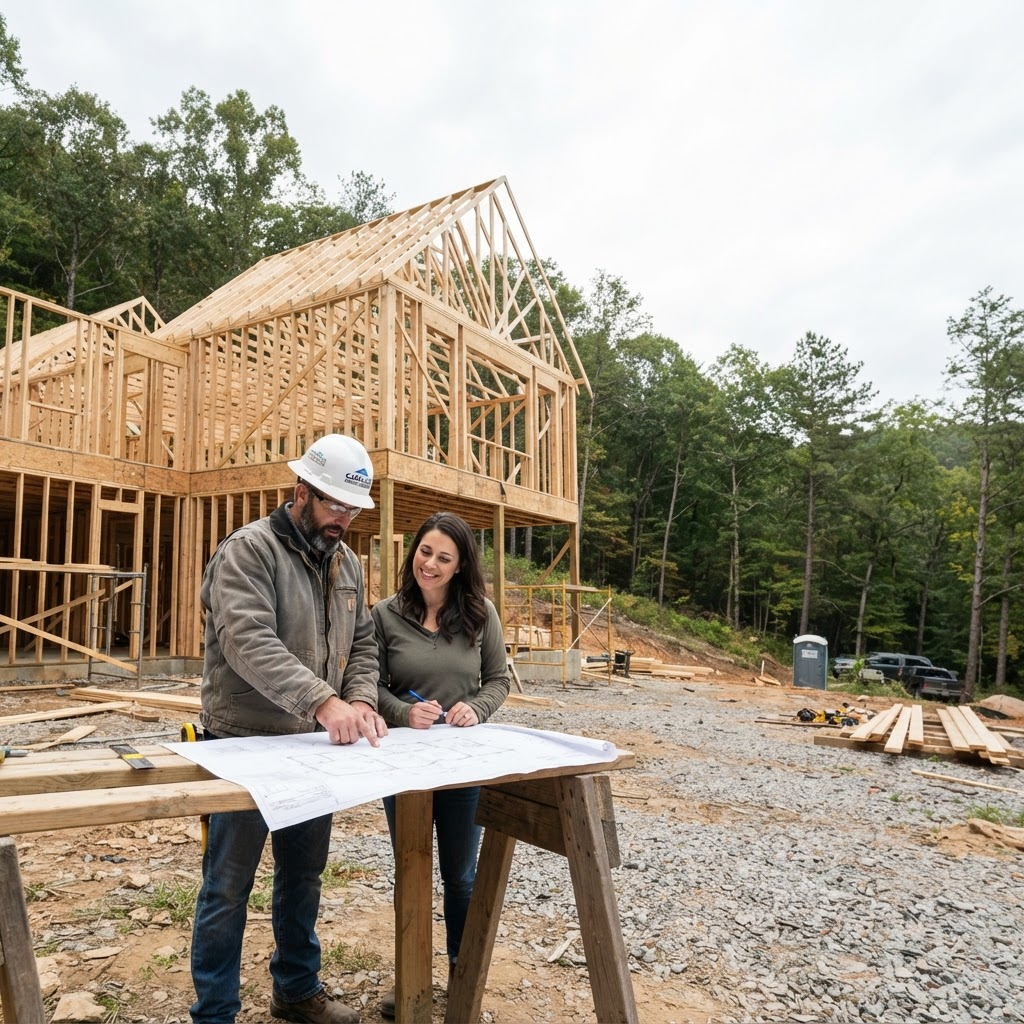
What Makes a One-Time Close Loan Different?
A One-Time Close structure coordinates the construction phase and permanent mortgage before building begins. The transaction still requires complete review of the borrower, builder, property, plans, budget, appraisal, and construction documentation.
One Coordinated Closing
Construction and permanent financing are established through one coordinated closing rather than separate construction and replacement mortgage transactions.
The Complete Project Is Reviewed
Approval involves more than borrower qualification. The lender also reviews the builder, contract, plans, specifications, budget, property, and completed-home appraisal.
Construction Funds Are Released in Draws
Approved construction funds are generally released as documented work is completed and required inspections are satisfied.
Permanent Financing Is Planned Up Front
The permanent mortgage structure is generally approved before construction begins, subject to the final loan terms and completion requirements.
Is a One-Time Close Construction Loan Right for You?
Building on Land You Already Own
Put the land you already hold to work as part of your construction financing conversation.
Buying Land and Building
Explore financing that can bring the land purchase and construction together in one project.
First Custom Home
Understand the construction financing process before you build your first custom home.
Growing Family
Plan a home designed around the space a growing family may need for years to come.
Retirement Home
Consider building a home tailored to how you want to live in retirement.
Building Instead of Buying Resale
Weigh building a new home as an alternative to purchasing an existing resale property.
How the Construction Loan Process Works
Step 1: Plan
Discuss land, builder, plans, budget and financing goals.
Step 2: Approve
Borrower qualification, appraisal, builder review and underwriting.
Step 3: Build
Construction begins with scheduled draws and inspections.
Step 4: Move In
Construction is completed and the loan transitions to permanent financing.
Which Construction Loan May Fit Your Project?
Different construction loan programs are designed for different borrowers. During your consultation we’ll help determine which option best fits your financial goals, property, and construction plans.
FHA One-Time Close
- Lower down payment may be available
- Primary residence
- Mortgage insurance applies
- Flexible qualification guidelines
VA One-Time Close
- Eligible veterans and service members
- Potential for 100% financing
- Primary residence
- Certificate of Eligibility required
USDA One-Time Close
- Eligible rural properties
- Household income limits
- Primary residence
- Potential for 100% financing
Conventional One-Time Close
- Flexible financing options
- Higher loan limits may be available
- Primary or qualifying second homes
- Strong option for many borrowers
Need a Different Qualification Option?
Some borrowers need alternative income documentation, investor financing, or another nontraditional solution.
Explore Specialty FinancingUsing Your Land and Equity
Land is often one of the first pieces of the construction puzzle. How you came to own it—or whether you still need to buy it—can shape the planning conversation. Here are common situations we help borrowers understand.
Owning Land
If you already own your lot, that land may play a role in how a construction project is structured.
Recently Purchased Land
Land bought recently is often reviewed alongside its purchase price and current value.
Family Land
Building on land connected to your family can carry unique documentation and ownership considerations.
Inherited Land
Inherited property may be part of the conversation, depending on ownership history and title.
Using Available Equity
Equity in land you own may factor into how a construction project is planned and discussed.
Buying Land as Part of the Project
When you don’t yet own a lot, purchasing land can be considered as part of the overall project.
Planning Before You Build
The earlier you plan, the smoother your build tends to go. Thinking through these areas up front helps you anticipate requirements and avoid delays once construction begins.
Budget Planning
Understanding your budget early helps shape realistic plans and financing conversations.
Choosing a Builder
Selecting an eligible, approved builder is a key part of preparing for construction.
House Plans
Completed plans and specifications help define scope, cost, and timeline.
Site Preparation
Preparing the lot and confirming site requirements can influence the schedule.
Appraisal
An appraisal based on plans and specifications helps establish project value.
Construction Timeline
A realistic timeline sets expectations for draws, inspections, and completion.
Contingency Planning
Planning for the unexpected helps you prepare for changes that can arise during a build.
Why Families Choose hooWray Home Lending
We Understand Construction
We know how construction financing works and how it differs from a standard mortgage.
We Explain Every Option
We walk through FHA, VA, USDA, and Conventional construction options so you can compare them clearly.
We Help You Plan
We help you think through land, builder, budget, and timeline before construction begins.
Questions Are Always Welcome
Construction financing can be complex. We answer your questions so you can decide with confidence.
Frequently Asked Questions
Can I use land I already own?
Often, yes. Land you already own may be included in the project, and its value or equity may factor into how the loan is structured. The treatment depends on ownership history, purchase price, current value, liens, documentation, and program guidelines, which we review during your consultation.
Do I need to choose a builder before applying?
An initial conversation can happen early, but full approval generally requires an eligible, approved builder along with a contract, plans, specifications, and a budget. Most construction programs require a qualified third-party builder rather than an owner-builder arrangement.
How are construction funds released?
Funds are typically released through a series of draws as work is completed. Completed phases are documented and, when required, inspected before the next disbursement. The lender manages draws according to the approved budget and construction schedule.
How does the appraisal work on a home that isn’t built yet?
Construction appraisals are generally based on the house plans, specifications, and the finished home’s projected value. This helps establish the value used for the project before construction is complete.
How long does the construction loan process take?
Timing varies based on borrower documentation, builder approval, plans, appraisal, permits, title work, and underwriting. Construction financing usually requires more preparation than a standard purchase mortgage, which is why early planning helps.
How much down payment is required?
Down payment requirements depend on the loan program, borrower qualification, and project details. Some programs may allow lower down payments or apply land equity toward the required investment. Specific figures are confirmed during qualification.
What happens when construction is complete and I move in?
After the final inspection and completion, a One-Time Close loan transitions from the construction phase into permanent financing according to the terms set at closing, without requiring a separate second closing.
How does the loan convert to permanent financing?
With a One-Time Close structure, the construction financing and permanent mortgage are established together at the initial closing. Once the home is finished, the loan moves into its permanent phase based on those agreed-upon terms.
Can I make changes during construction?
Change orders may be possible, but they can affect cost, value, contingency funds, timeline, and approval. Material changes generally require advance review and should not be assumed to be automatically approved.
What does the overall construction process look like?
At a high level, the process moves from planning and approval into building with scheduled draws and inspections, and finally to completion and move-in. We help you understand each stage before construction begins so there are fewer surprises along the way.
Let’s Talk About Your Construction Project
Whether you’re just beginning to explore the idea of building or already have land, house plans, and a builder, an early conversation can help you understand your financing options and identify potential challenges before construction begins.